
Most people think about temperature when they think about home comfort, but humidity is just as responsible for how a room actually feels. A house at 78 degrees with high humidity feels sweltering. The same house at 78 degrees with humidity properly controlled feels manageable. In a climate like San Antonio’s, where summer air is thick and the AC runs for months on end, understanding what your indoor humidity should be and how to control it makes a real difference in both comfort and the health of your home.
The Range to Aim For
The target range for indoor relative humidity is 30 to 50 percent. The Environmental Protection Agency points to that window as the sweet spot for both human health and protecting the structure of your home. During San Antonio summers, most homes without additional humidity control will run higher than 50 percent indoors, especially if the AC system is oversized or not maintaining the space properly.
A basic digital hygrometer, which you can pick up at most hardware stores for under $20, will tell you exactly where your home sits. If you’ve never checked, it’s worth knowing.
What Happens When Humidity Runs Too High
Above 50 percent relative humidity, conditions start working against you in several ways. Mold and mildew thrive in high-moisture environments, and they don’t need a flood to get started. Condensation on windows, a musty smell in certain rooms, or visible growth around shower grout or window frames are signs that moisture levels in your home are too high.
Dust mites also multiply faster at higher humidity levels. For households with allergy or asthma sufferers, that’s not a trivial issue. The air itself feels heavier and harder to cool, which means your body has more difficulty regulating temperature and the AC has to work longer to hit the thermostat setting.
High humidity also affects your home structurally over time. Wood floors can warp, cabinet doors swell, and paint peels. None of those problems announce themselves immediately, but they accumulate with months and years of excess moisture in the air.
What Happens When Humidity Drops Too Low
In San Antonio, low indoor humidity is less of a problem than high humidity during most of the year, but it does come up during dry winters or in homes running forced-air heat for extended periods. Below 30 percent relative humidity, the air pulls moisture from whatever is available, including your skin, your sinuses, and the wood in your home.
Dry air leads to cracked skin, irritated airways, and an increase in static electricity. Hardwood floors and wood furniture are also susceptible to cracking and splitting when the air stays too dry for too long. If your home gets noticeably dry in the winter months, a whole-home humidifier installed on the HVAC system is a more consistent solution than portable room units.
How Your AC System Affects Humidity
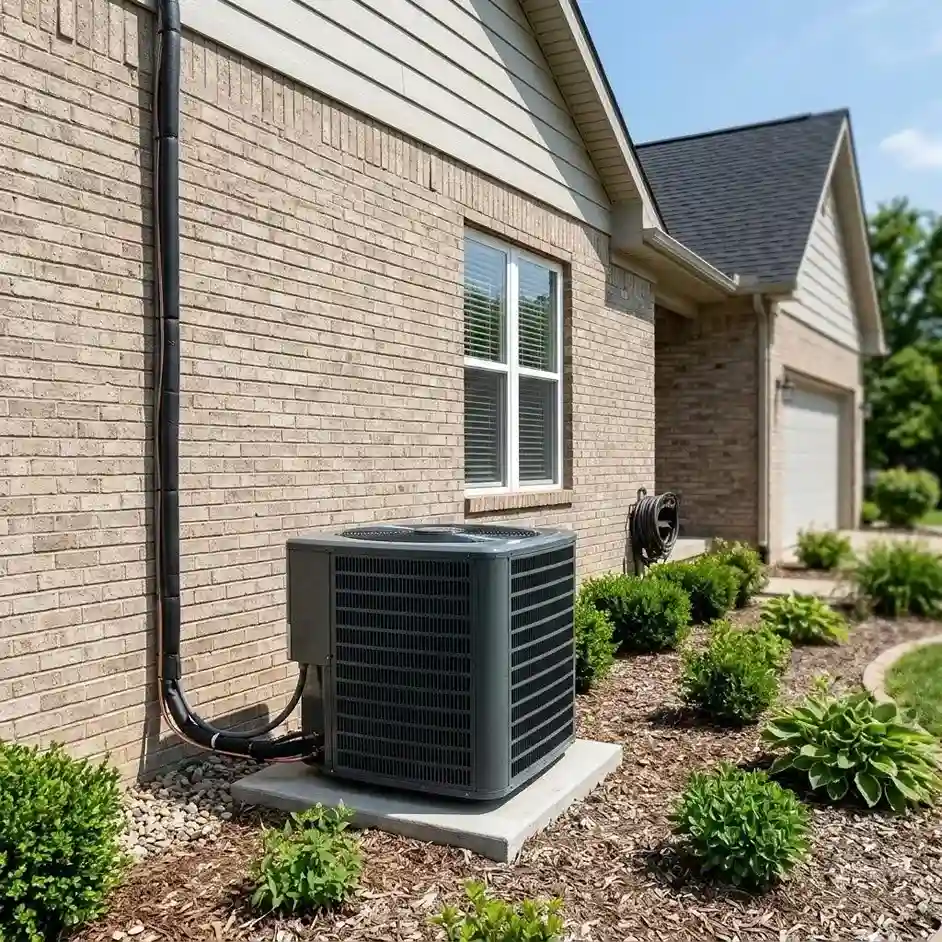
Your air conditioning system removes moisture from the air as part of its normal cooling process. As warm air passes over the cold evaporator coil, moisture condenses on the coil and drains out through the condensate line. This is why a properly functioning and properly sized AC system naturally helps keep indoor humidity in check during the summer.
The problem comes when the system is oversized for the home. An AC that’s too large cools the air quickly, hits the thermostat setpoint, and shuts off before running long enough to remove adequate moisture. The house feels cool in terms of temperature but clammy and uncomfortable because the humidity never came down. This is called short-cycling, and it’s one of the stronger arguments for getting system sizing right during an installation.
A system that’s running well and sized correctly for your home will typically keep indoor humidity in the comfortable range during normal San Antonio summers without any additional equipment.
When to Consider a Whole-Home Dehumidifier
Some homes need more help than the AC alone can provide. If your house consistently reads above 55 or 60 percent humidity even with the AC running, or if you have a basement, sunroom, or enclosed garage that stays muggy regardless of how the rest of the house feels, a whole-home dehumidifier is worth considering.
Unlike portable dehumidifiers that cover one room and require frequent emptying, a whole-home unit installs directly into the HVAC system and treats all the air moving through the house. It runs independently of the AC, which means it can control humidity even when the thermostat isn’t calling for cooling. For homeowners dealing with persistent moisture problems, it’s a more complete solution than chasing the issue room by room.
Getting Your System Checked
If your home has felt muggier than it should this summer, or if you’ve noticed any of the warning signs of high humidity, a conversation with an HVAC technician is a good starting point. Sometimes the issue is a maintenance problem, like dirty coils reducing the system’s ability to pull moisture. Sometimes it’s a sizing issue that requires a different approach.
Diamondback serves San Antonio, New Braunfels, La Vernia, and the surrounding areas. Call us at (210) 409-7271 or schedule online and we’ll take a look at what’s going on with your system.