
San Antonio summers are not forgiving to a neglected AC system. When outdoor temps sit above 95 degrees for weeks at a time and your unit is running almost around the clock, small issues that might go unnoticed in a milder climate can turn into full breakdowns fast. The good news is that most of the problems that take systems down in the middle of summer are preventable with a few consistent habits.
Change Your Air Filter on a Real Schedule
A clogged air filter is behind more AC problems than most homeowners realize. When the filter gets packed with dust and debris, airflow through the system drops, the evaporator coil works harder, and the whole system becomes less efficient. Left long enough, a dirty filter can cause the coil to freeze over and stop cooling altogether.
In San Antonio, where the AC runs most of the year, a filter change every 30 to 60 days is a reasonable target. Households with pets, allergies, or dusty conditions should lean toward the shorter end of that range. Write the date on the filter when you install it so you always know how long it’s been in there.
Keep the Outdoor Unit Clear
The condenser unit outside your home pulls in air to release the heat it’s removing from inside. When shrubs, grass, or debris crowd up against the unit, that airflow gets restricted and the system has to work harder to do its job.
Keep at least two feet of clearance on all sides of the unit. Trim back any plants that have grown close to it, and after storms or heavy wind, check for leaves and debris packed against the fins. You can rinse the outside of the unit with a garden hose on a low setting to clear surface dirt, but direct the water downward along the fins rather than straight in.
Clear the Condensate Drain Line
As your AC cools the air, it pulls moisture out of it. That water collects in a drain pan and exits through a condensate drain line, usually a PVC pipe that runs outside or to a floor drain. Over time, algae and mold can build up inside that line and cause a clog. When the line backs up, water overflows the drain pan, which can damage your ceiling, walls, or flooring and sometimes trigger a float switch that shuts the system off entirely.
Pouring a cup of distilled white vinegar into the drain line access point every two to three months keeps buildup from forming. It takes about 30 seconds and prevents one of the most common water damage calls HVAC companies see during the summer.
Don’t Block Your Supply and Return Vents
It’s common to push furniture up against a wall vent or close vents in rooms that aren’t being used, under the assumption that it saves energy. It doesn’t. Your AC system was sized based on the full square footage of your home, and closing vents creates pressure imbalances that make the system work less efficiently and wear faster.
Walk through your home and check that furniture, rugs, and curtains aren’t covering supply or return air vents. Return air vents in particular need room to pull air back through the system freely.
Check Your Thermostat Settings and Placement
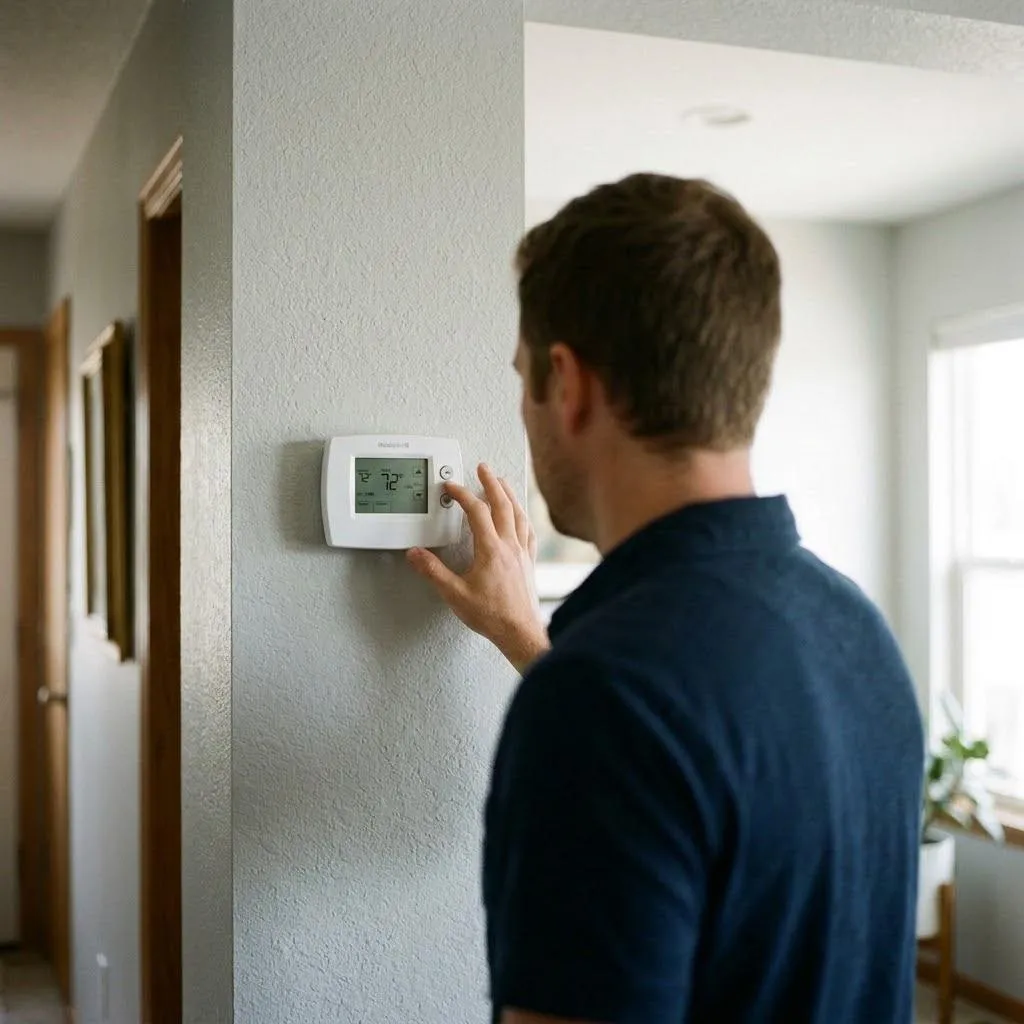
A thermostat that reads the temperature inaccurately will cause the system to run longer than it should or not long enough to actually cool the house. If your thermostat is mounted on a wall that gets direct afternoon sun, near a lamp, or above a heat-producing appliance, it may be reading a warmer temperature than the actual room and running the system harder as a result.
If you’re still using an older analog thermostat, switching to a programmable or smart thermostat is one of the more cost-effective changes you can make. Being able to schedule the AC to ease off while you’re at work and cool back down before you get home reduces the hours the system runs each day without sacrificing comfort.
Watch Your Energy Bills for Warning Signs
If your electric bill jumps noticeably from one month to the next without a clear reason, the AC system is often the cause. A system losing efficiency because of dirty coils, low refrigerant, or worn components will run longer cycles to hit the same temperature, and that shows up in your bill before it shows up as a breakdown.
Keep a rough mental note of what your summer bills typically look like. A spike of 15 to 20 percent or more with no change in usage habits is worth a call to an HVAC technician.
Schedule an Annual Tune-Up Before Summer Hits
All of the maintenance habits above make a real difference, but they don’t replace a professional inspection. A yearly AC tune-up covers the components that homeowners can’t check on their own, refrigerant levels, electrical connections, capacitor health, coil condition, and more. Catching one failing part during a spring tune-up almost always costs less than an emergency repair call in July.
At Diamondback, our technicians serve San Antonio, New Braunfels, La Vernia, and the surrounding areas with straightforward service and upfront pricing. Call us at (210) 409-7271 or schedule online to get your system checked before the heat really settles in.